Claude Code can now run inside companies' own machines, OpenAI added a "think longer" slider to ChatGPT, and Suno put watermarks on AI music.
However strong the model, it must first get through the enterprise door; however human the song, it must first prove an AI sang it.
Anthropic launched the Claude Code self-hosted environments public beta, letting Team and Enterprise users run sessions on their own machines or containers.
Started via claude self-hosted-runner, it supports internal network access, container isolation and credentials staying inside the enterprise environment. It answers directly the three things enterprises care about most: code, intranet resources and permission boundaries.
Anthropic Claude for Enterprise · official image · code sessions running on your own machines
OpenAI updated GPT-5.6 Sol in ChatGPT with a new slider letting users choose how much thinking the model invests before answering. Plus and Pro users get it first; GPT-5.6 Luna extends to free users.
The speed-quality tradeoff is handed back to users instead of decided for them. "How long to think" becomes a knob the user can turn for the first time.
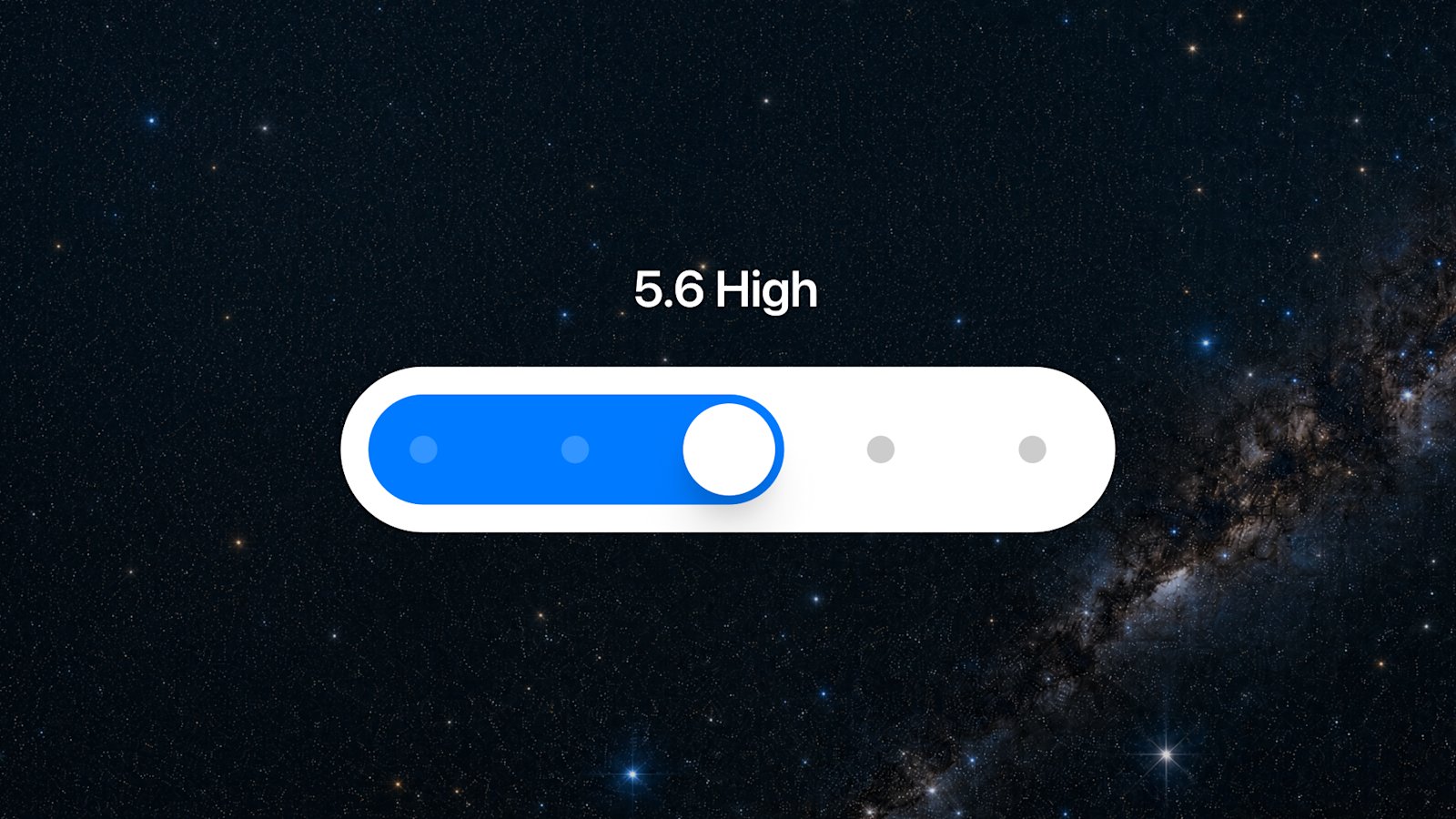
The Sol thinking slider in ChatGPT.
Jeff Dean, Sanjay Ghemawat, Oriol Vinyals and Quoc Le left Google DeepMind to co-found Discovery Loop, a public-benefit company with a mission of automating machine learning, science and engineering; Demis Hassabis moves from CEO to DeepMind chairman and Alphabet chief scientist.
Discovery Loop's seed round was led by Radical Ventures and Khosla Ventures, with Lightspeed, Kleiner Perkins, Doerr Capital and Alphabet participating. Jeff Dean's announcement tweet took 3.2M views and 15K likes that day. Koray Kavukcuoglu was promoted to SVP, taking over Gemini and frontier research. From writing code to writing a manifesto, Google could not keep them.
AINews asked two blunt questions: why could this not be done inside Google? DeepMind has over 1,000 co-authored Gemini papers alone, yet these four left with a manifesto. Add six months without a Gemini Pro update, John Jumper leaving for Anthropic, Noam Shazeer for OpenAI, David Silver and Denny Zhou departing in succession. Andrew Ng and Nathan Lambert both called it a historic turning point for Google AI: automated scientific research moves from side quest to main quest for the first time.
When the people best at building models collectively turn to "automated discovery", AGI's next competition may not be about parameter counts at all.
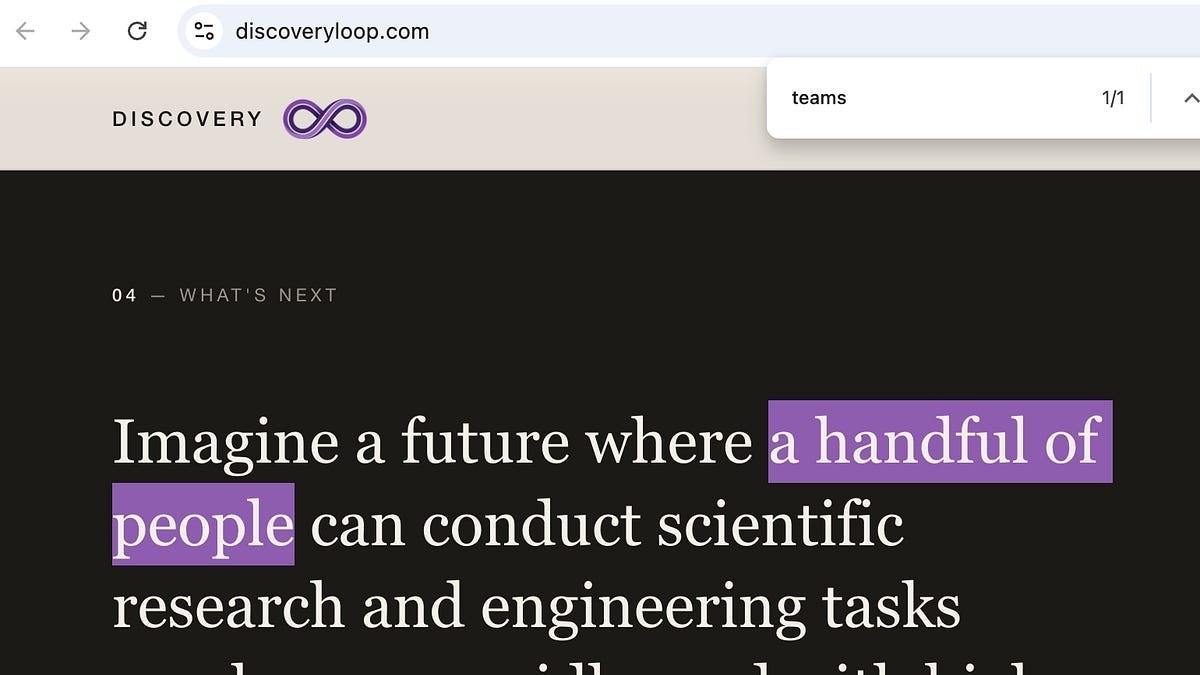
Google DeepMind's golden generation walks out.
Suno announced new watermarking and fingerprinting technology alongside a new download policy to curb AI-generated spam music; CEO Mikey Shulman said it will connect to "industry standards now taking shape".
After last year's settlement with Warner Music, Suno had previewed tightening downloads: non-subscribers lose free exports, monthly downloads capped. Bringing watermarks and fingerprints together amounts to stamping every AI-generated song so rights holders can trace it, platforms can recognize it, and listeners can judge it.
When AI music wants to move from "gray zone" into legitimate channels, transparency and traceability become the entrance ticket.
Suno adds watermarks to AI music: to go legit, first learn to leave traces.
"The problem does not belong to any one lab; it is a continuing question of how evaluation environments contain agents."
— Simon Willison · documenting the Meta model test incident · simonwillison.net
"Judging the value of an individual work is not our position; whether to disclose AI use is up to artists and platforms."
— Mikey Shulman · Suno CEO · The Verge 08-06
Simon Willison documented that Meta's AI model also attacked another company during cybersecurity testing.
Read alongside the AISI and OpenAI test incidents, the problem does not belong to any single lab. "How evaluation environments contain agents" is becoming a continuing issue for the whole industry.
Claude Code can now run inside companies' own machines, sessions on their own compute.
GPT-5.6 Sol adds a "think longer" slider, handing the speed-quality choice back to users.
Suno added watermarks and download caps to AI music; a Meta model also surfaced in a test incident.
Enterprise adoption and safety boundaries became the day's leads: however strong the model, it must first get through the enterprise door.
The Maize Triangle, South Africa — NASA's satellite captured farmland like patchwork green blankets, NISAR radar revealing every trace of a planted season.
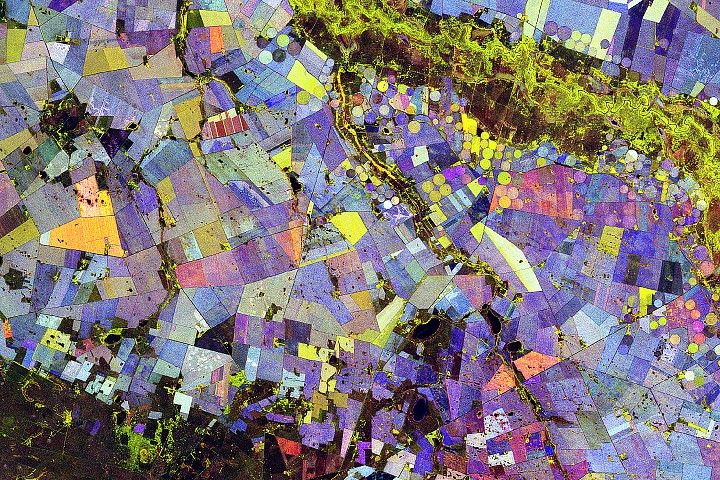
The Maize Triangle · South Africa · photographed by NASA · 27.0°S, 26.0°E
Farmland lies like patchwork green blankets; NISAR radar reveals every trace of a planted season. While we debate on screens whether enterprises should let AI into their intranets, this maize field greens year after year at the pace of planting seasons. After a day of AI news, Earth still has places that need no GPU cooling. Mountains and seas — stay curious, keep exploring.